
The region's center for TMS care, research, and training. Hundreds of our patients have reached remission from treatment-resistant depression.
TMS uses highly focused magnetic pulses to restore normal activity in the brain regions tied to depression. It is FDA-cleared for patients who have not gotten enough relief from antidepressants, and it works on the circuit directly rather than flooding the whole body with medication.
You sit in a chair, awake, while the device delivers pulses to a precise spot on your head. A session takes a short time. When it ends, you drive yourself home and go on with your day.
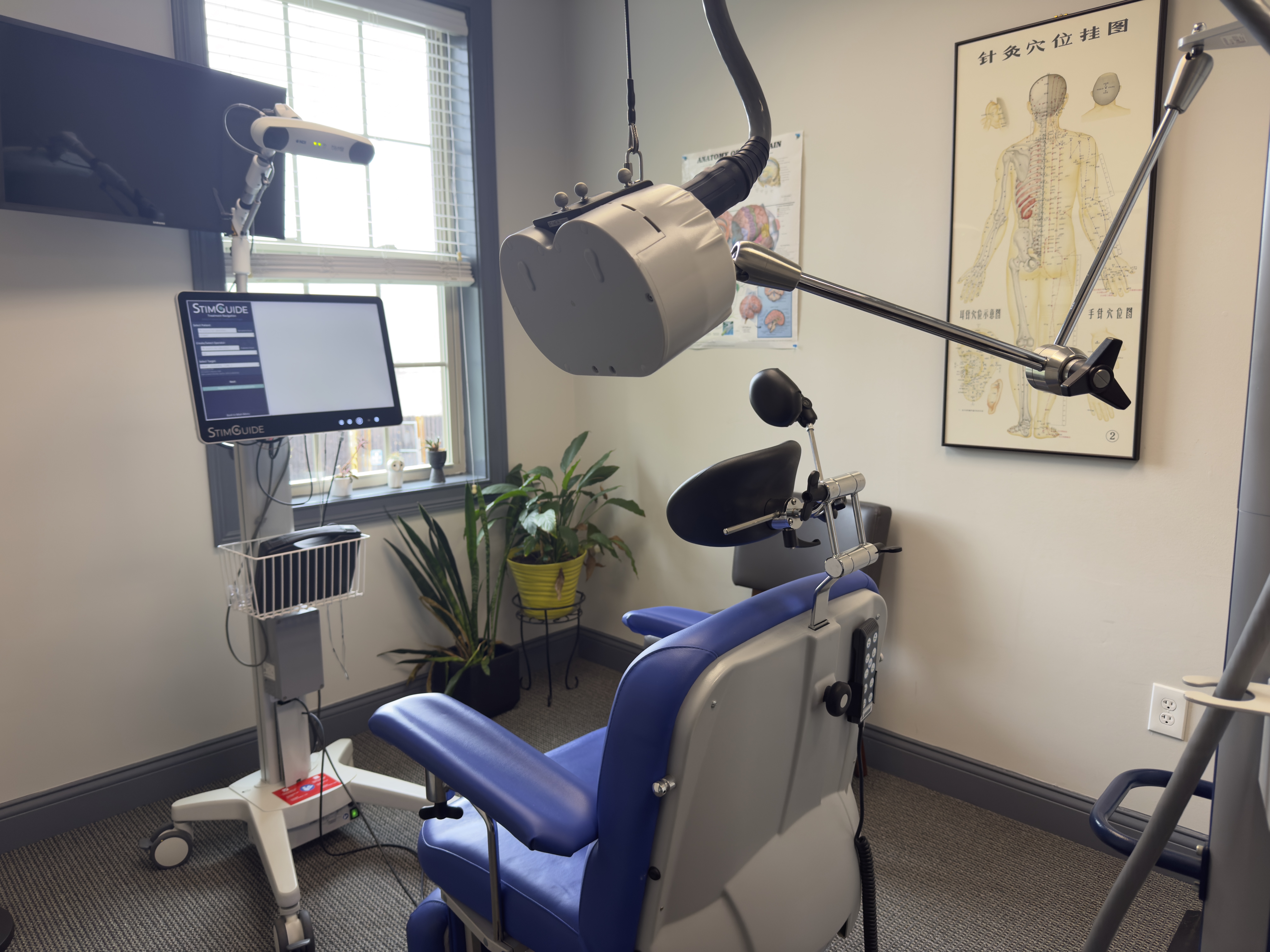
TMS is well tolerated, and most people return to normal activity right after a session. For patients who have tried medication after medication without remission, it opens a door that pills could not.
No surgery, no anesthesia, no sedation. You stay fully awake through every session.
It acts on the brain, not the whole body, so it avoids the side effects that come with many antidepressants.
Cleared for major depressive disorder, anxious depression, and OCD, with strong real-world outcomes data.
Drive yourself to and from every session. Most patients maintain their normal schedule throughout the course of treatment.
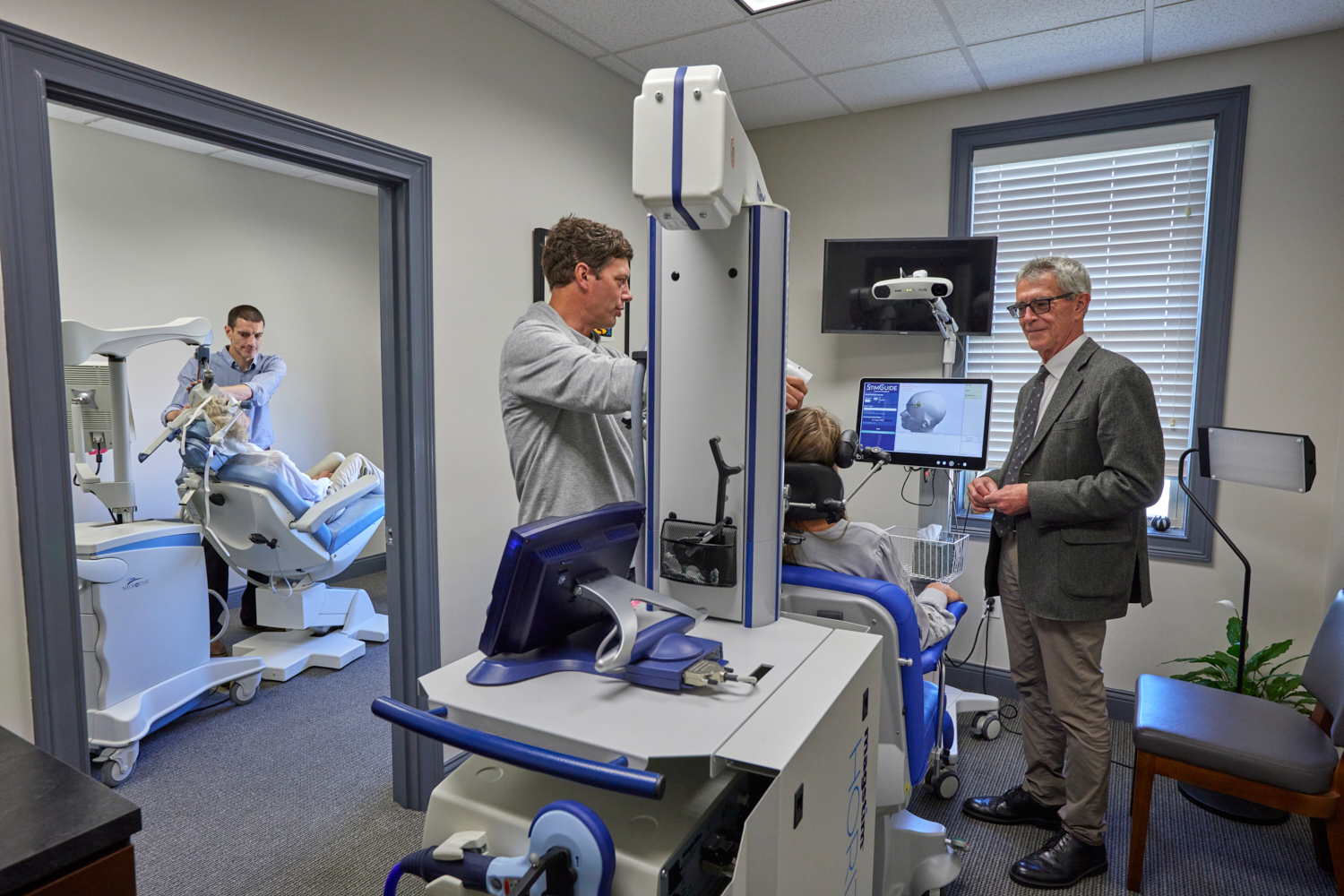
TMS is FDA-cleared for major depressive disorder, anxious depression, and OCD. Its strongest record is in treatment-resistant depression — the patients who have not responded to medication. Your physician will tell you plainly whether TMS fits your diagnosis and where it belongs in your plan.
We have some of the deepest experience with off-label use of TMS in the country, and have seen benefits in using TMS in a wide array of brain disorders including:
TMS can help modulate pain-related circuits in the brain.
Used for symptom management in select cases.
Targeted stimulation for auditory circuit involvement.
Emerging evidence for motor and mood symptoms.
Cognitive enhancement and executive function support.
Ask us whether TMS may help with your specific situation.
These are the outcomes from real patients, in a real practice, over more than a decade of treatment. Results vary by person, and we will set honest expectations for your case before you begin.
of patients see significant improvement in depression symptoms across a standard course of treatment.
patients reach complete remission — depression that resolves, not just improves.
We were among the first practices in the country to use TMS for psychiatric illness, starting in 2010. We published one of the first real-world studies of TMS in a private-practice setting in the Journal of the Kentucky Medical Association in September 2011, and have participated in national real-world outcome studies.
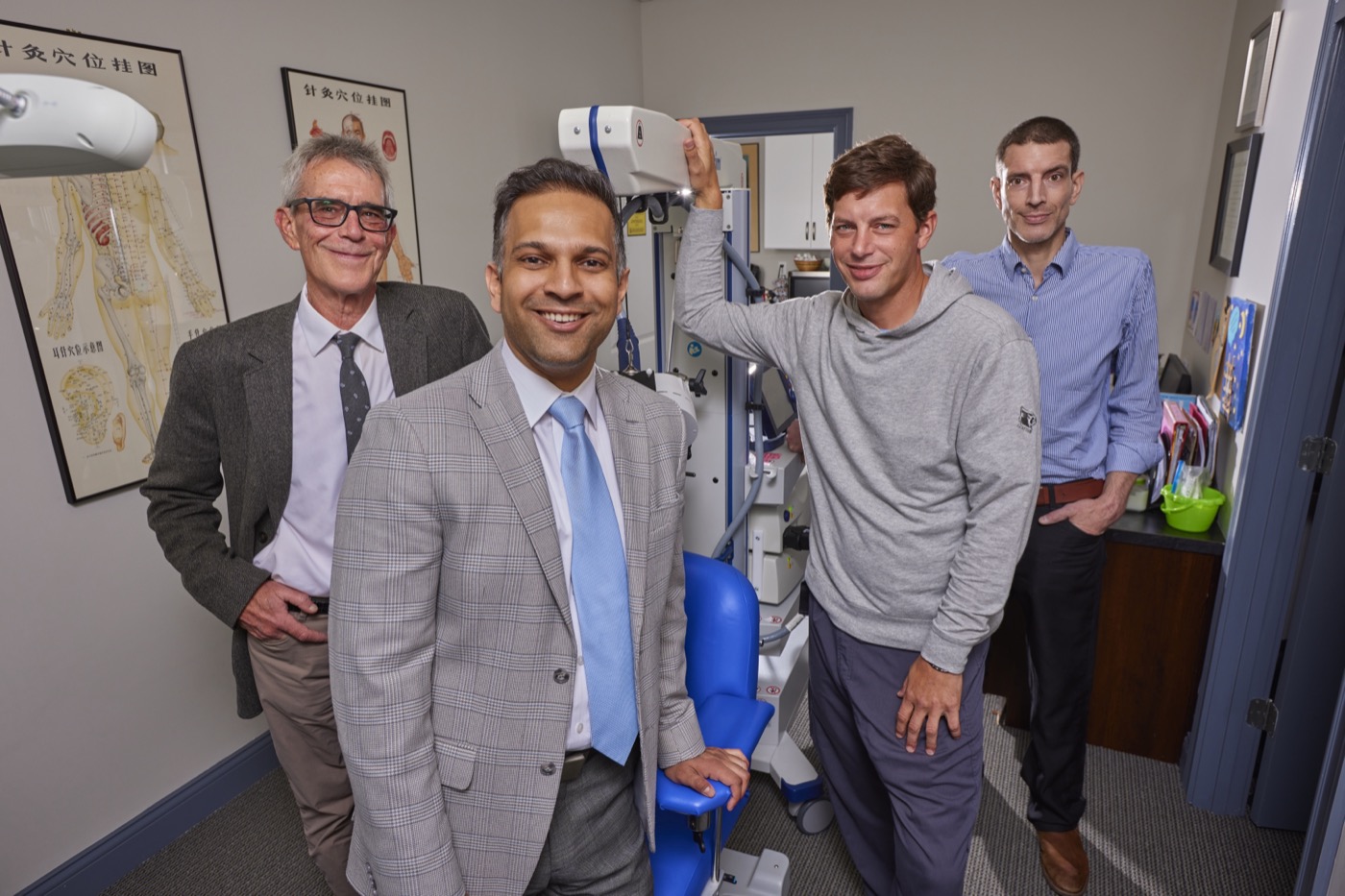
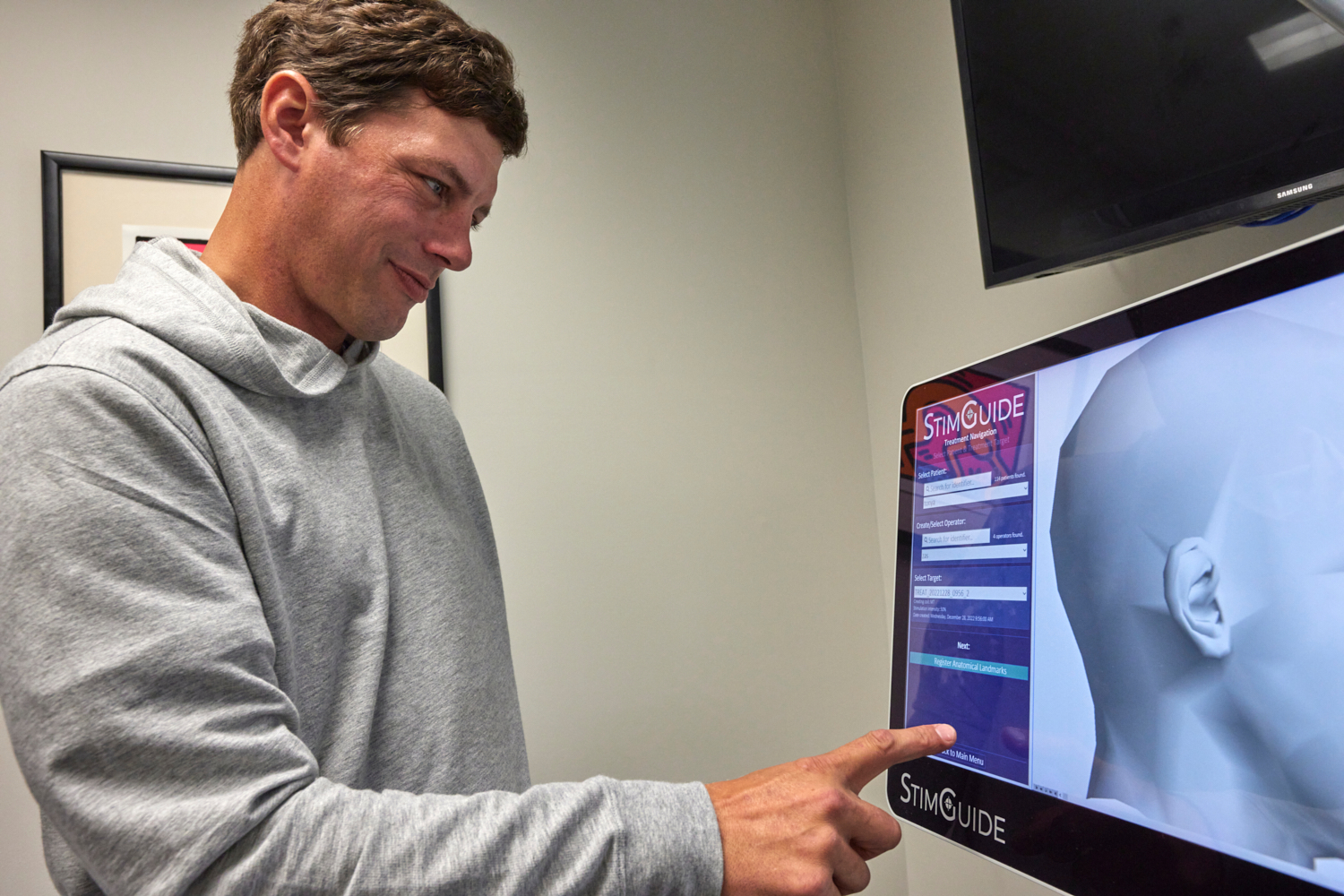
We accept insurance for TMS. Our team handles the insurance side and tells you what to expect before treatment begins, so there are no surprises. If you have questions about coverage or cost, call us and we will walk you through it.
For more information, reach a person at our office. The first step is a phone call. The next is a plan built around you.